Bach Without Borders:
Transforming Sound
22 November at 6 pm Kadriorg Palace
Ensemble Novaya Gollandiya
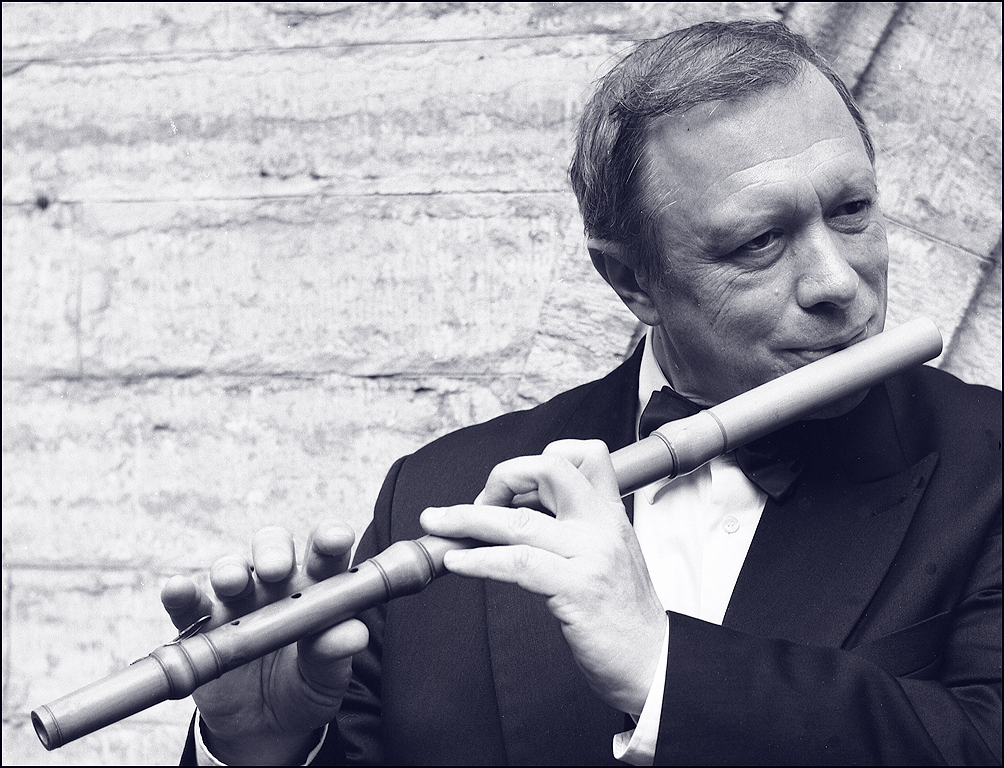
Pavel Andreev — baroque flute (Israel)
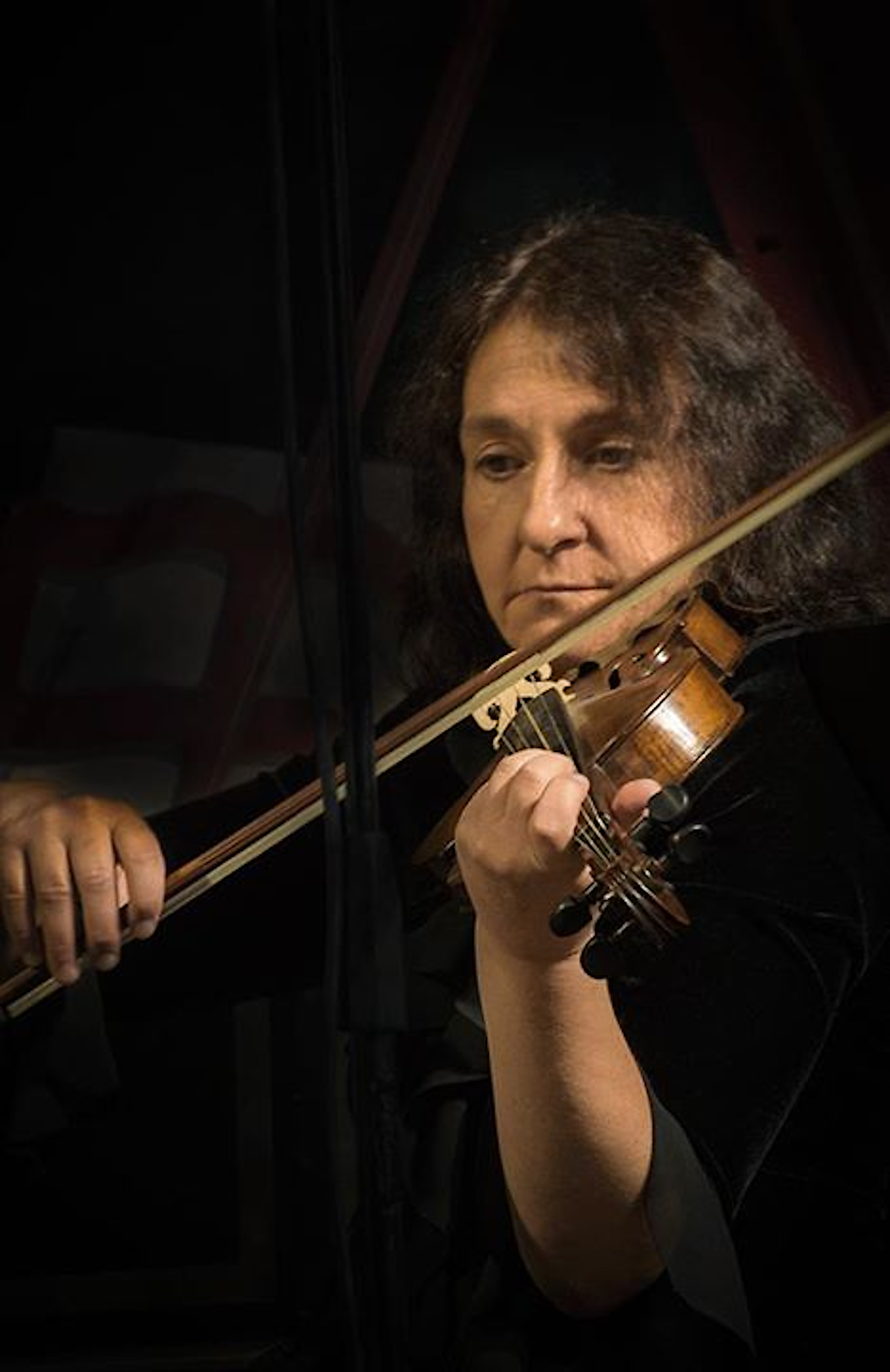
Yulia Lurye — baroque violin (Israel)
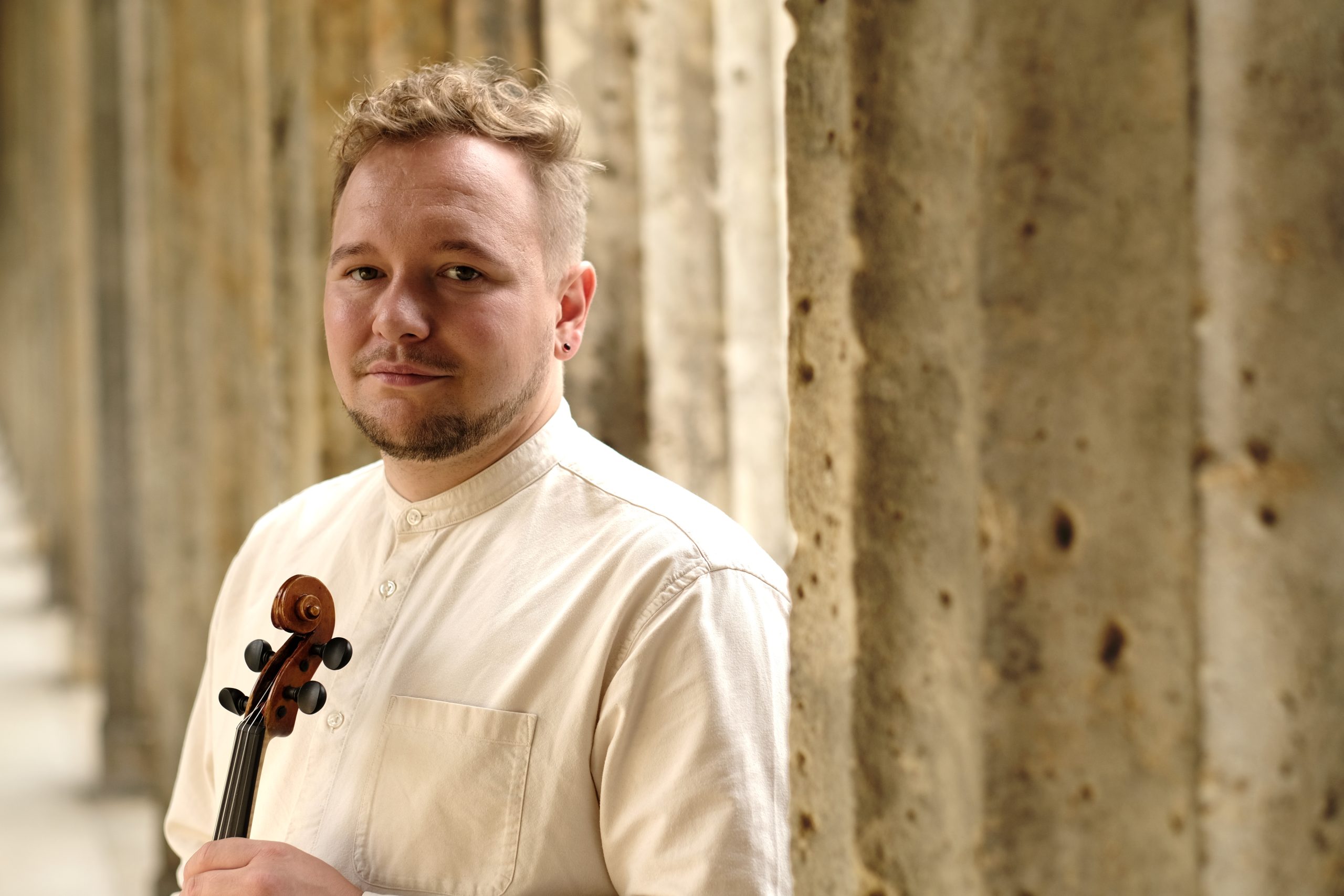
Lev Berkovskiy — baroque viola and violoncello da spalla (Finland)
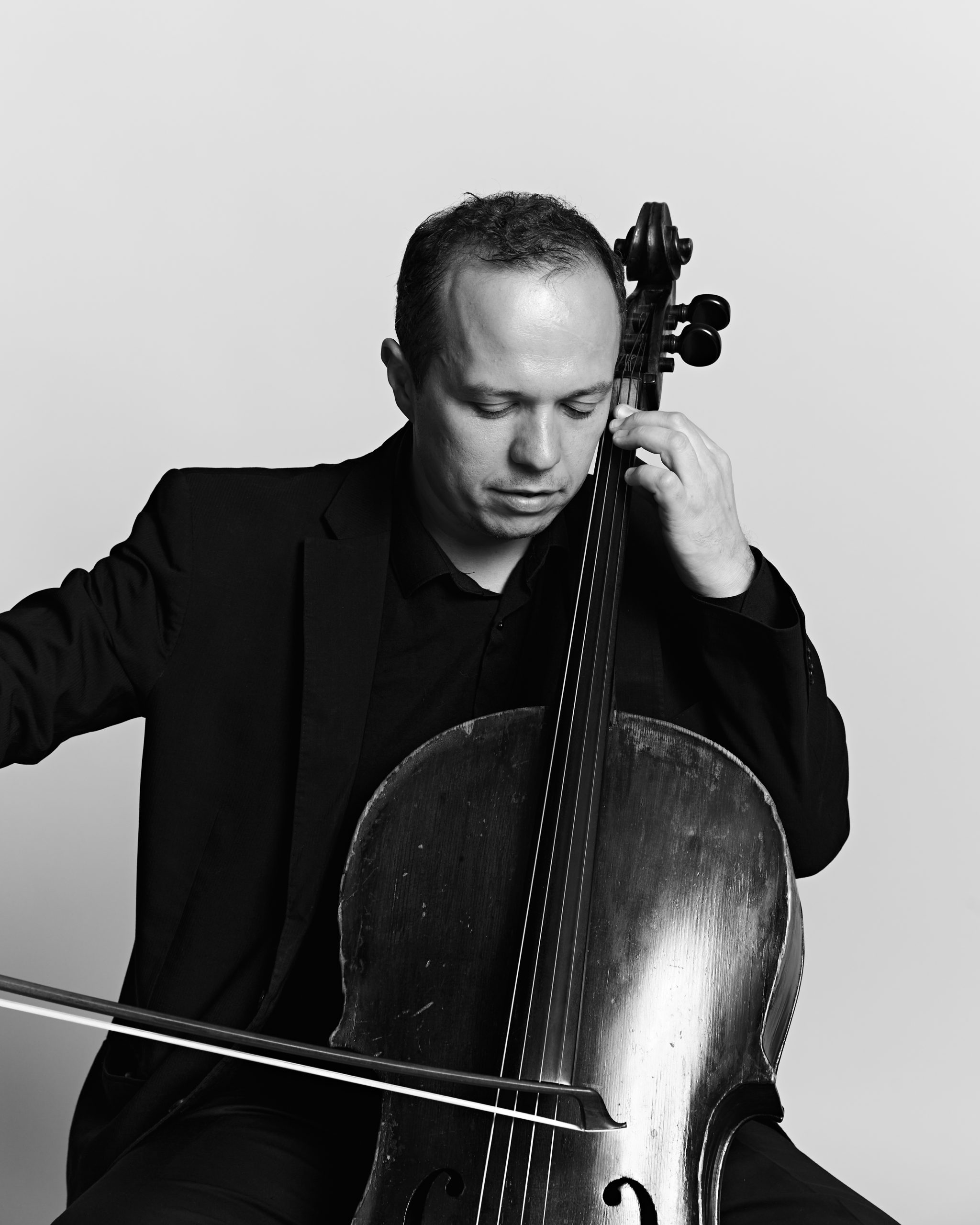
Anton Andreev — baroque cello (Israel)
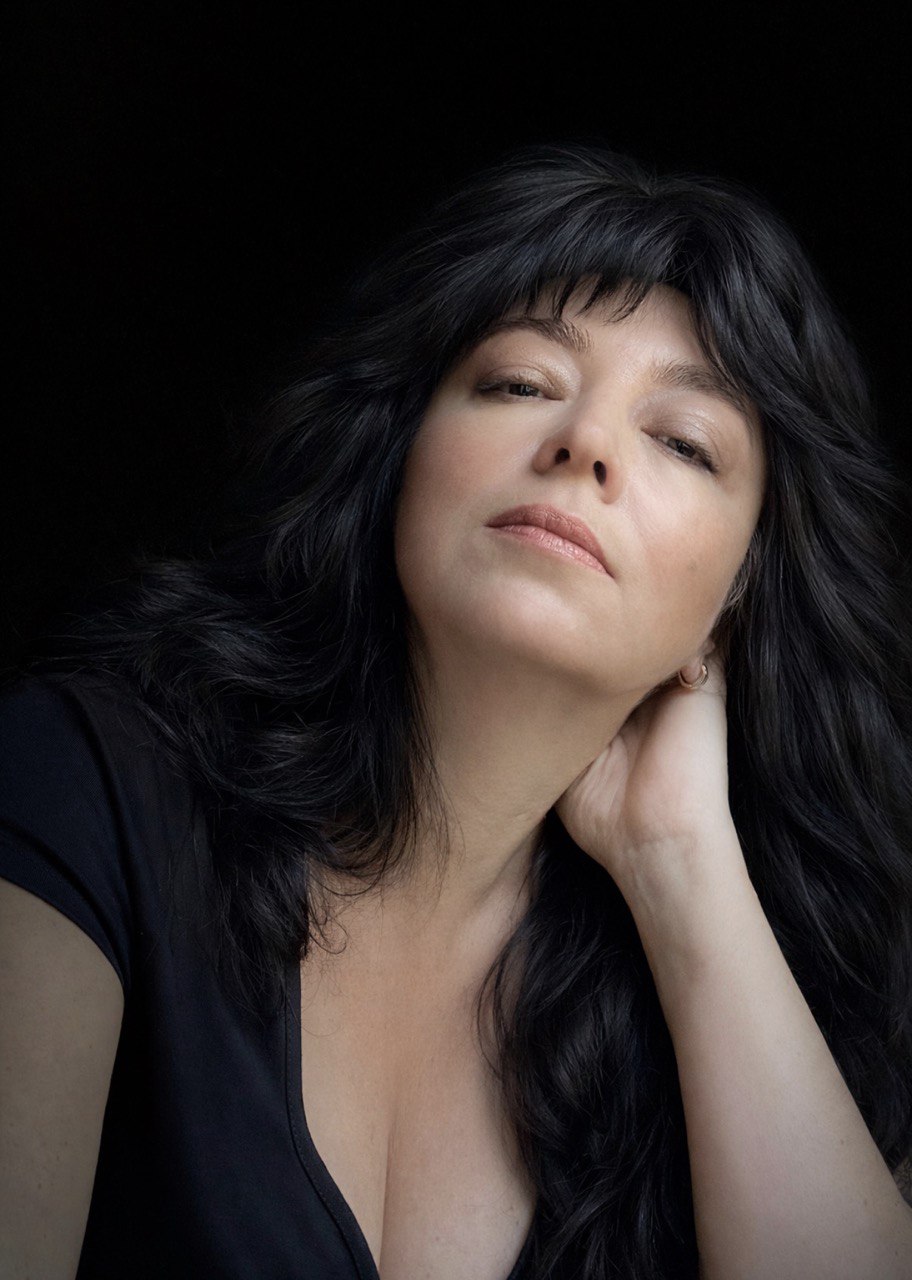
Natalie Rotenberg — harpsichord (Israel)
In collaboration with Lossimuusika
——————
The concert program will feature arrangements of Johann Sebastian Bach’s famous harpsichord works for a Baroque ensemble, as well as his sonata for harpsichord and viola da gamba.
Why did the Novaya Gollandiya Ensemble decide to arrange these works? The harpsichord’s distinctive, intimate sound is reminiscent of a black-and-white film. The ensemble’s musicians wanted to “colour” this film — to add new colours, expressiveness and a greater variety of timbres.
The Italian Concerto (1735) is a work for solo harpsichord, written specifically for an instrument with two manuals. On the one hand, Bach included the concerto in a collection of pieces intended for study and practice; on the other, it represents the culmination of his many years of work with the harpsichord concerto genre and his exploration of the Italian concerto tradition. Its bright, contrasting movements and uplifting character never fail to delight listeners. The ensemble arrangement further reveals the richness and colour of the composition.
Capriccio on the Departure of a Beloved Brother (1704) was also originally composed for solo harpsichord. This highly original programmatic work, written with great humour, is based on a real event: Bach’s farewell to his brother before he left to serve in the Swedish army. Persuasion, sadness, the postman’s signal — evoked by the sound of a post horn — and a fugue reminiscent of a carriage rolling away are all vividly portrayed and clearly audible in Bach’s masterful musical depiction.
Sonata in D major for Viola da Gamba and Harpsichord (1717–1723) is rarely performed, yet it is one of Bach’s finest chamber sonatas. Bright and lively, transparent and profound, like a river, the music irresistibly draws the listener onward.
It is believed that the Concerto for Three Harpsichords and Strings, BWV 1064 (c. 1735–1745) is an adaptation of a lost concerto for three violins. A modern reconstruction of this presumed original forms the basis of the ensemble version performed at this concert. The work’s defining feature is the constant interplay and competition among all the members of the ensemble, not just the three principal soloists. Virtuoso passages, rapid exchanges of musical dialogue, and the combination of the brilliant Italian concerto style with German polyphony distinguish this work as one of Bach’s great masterpieces.