Experimental Baroque
The metamorphose of transcription
25 November at 7 pm
White Hall, House of the Blackheads
26 November at 7 pm
Otepää Cultural Center
Music by Johann Klein the Younger, J. S. Bach, G. Ph. Telemann and J. Ph. Rameau
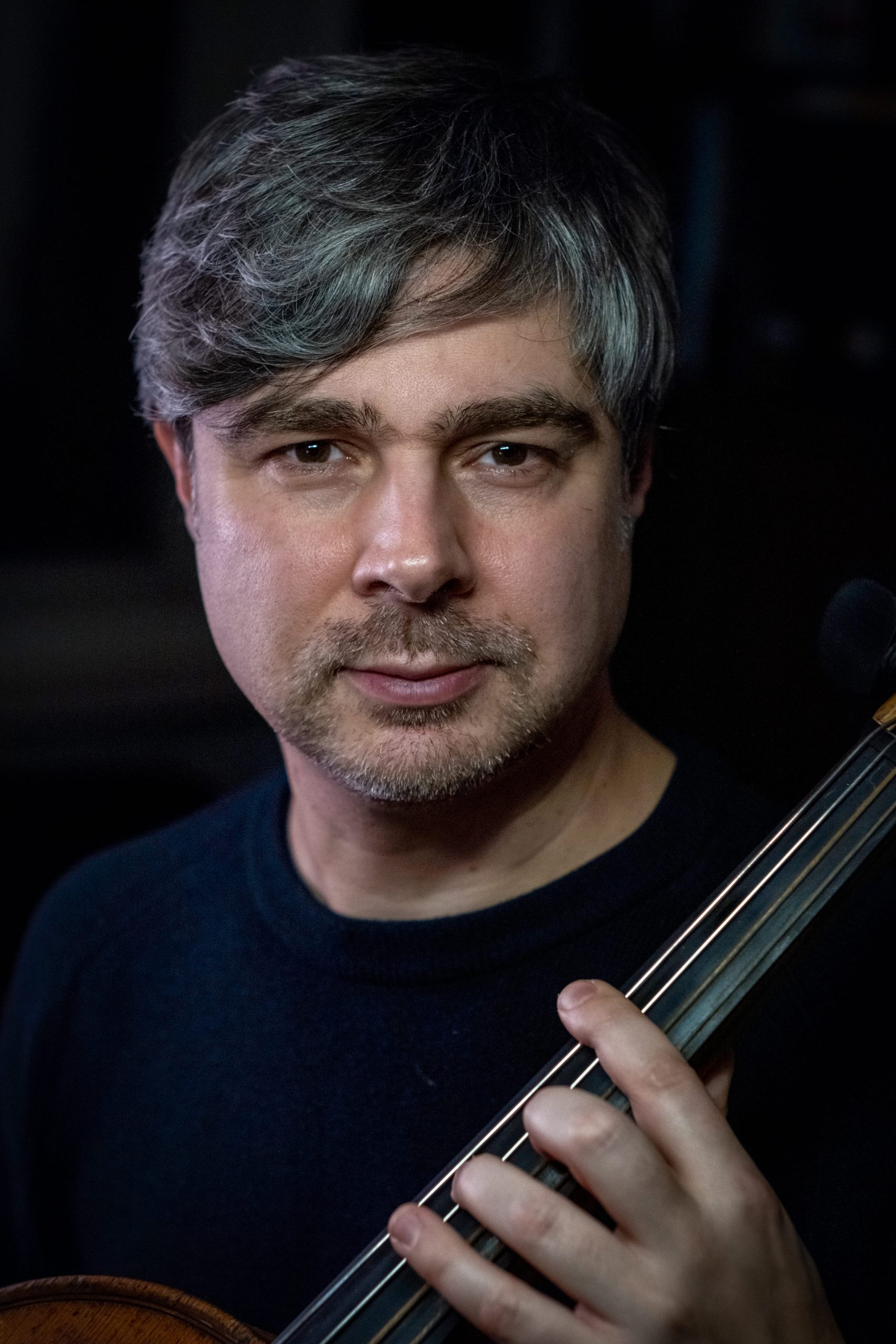
Pavel Serbin — baroque cello (Hungary)
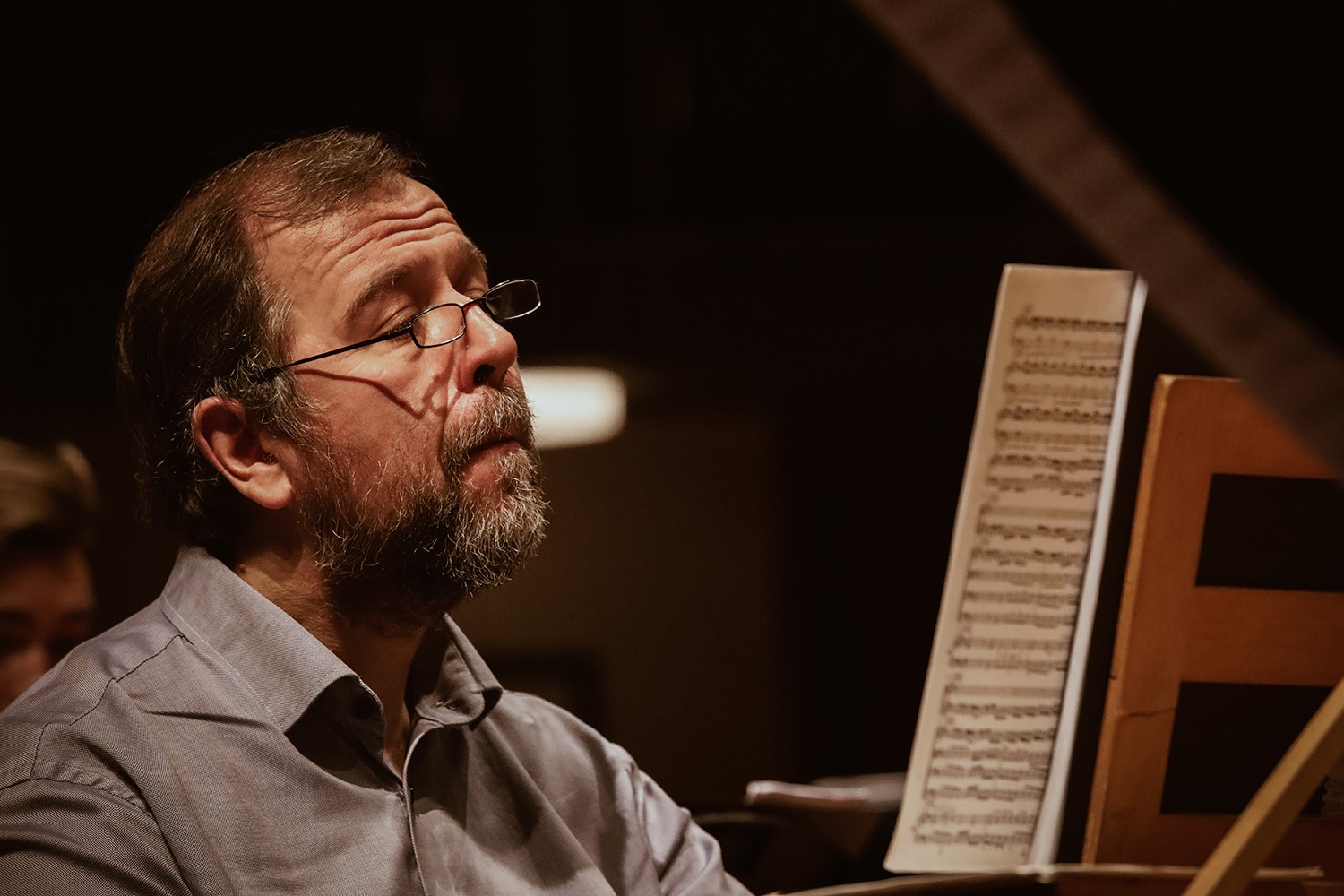
Reinut Tepp — harpsichord
This program is dedicated to baroque cello repertoire, imagining 18th century composers in the search of a new composition context. Cello was quite new as a solo role instrument: the first published sonatas were published in Italy at ca. 1697. It took time until composers took our bass instrument seriously. The second published “oeuvre” was a set of sonatas for “Basse de violon” (one of the terms for cello at that time) by Dutch businessman from Amsterdam – Jacob Klein der Junger, printed in 1717. Klein called himself an amateur, but was an advanced cellist and incomparable composer, who had no frames in composition fantasy. Keeping Corelli’s style model as an example, he enjoyed reminiscences of older 17th century “stylus phantasticus”. His innovative harmony ideas combine with the use of different cello “discordato” tunings.
The second aspect of our program is the art of transcription. We choose a brilliant but quite unknown book of pieces for 2 cellos (cello and basso continuo) published in Paris ca. 1750, where an anonymous composer arranged famous folk tines (like “Furstemberg”) and pieces from Rameau operas. They were not only transposed and adapted to cello, but included variations and modifications of tunes.
The third aspect is a modern experiment with transcriptions. It has nothing to do with recomposing of the piece or using is as a collage like Michael Nyman (b. 1944), but trying to find some historical background. 4 pieces among 12 fantasies for viola da gamba by G.Ph.Telemann were possibly originally intended for cello, so bringing them back to original state is itself a challenge. The other example is a Suite by J.S.Bach №2 – we try to show it’s French style transcribing it into the form of French “pieces de viole”, normally published with a continuo bass to form a “concert pour deux violoncelles et clavecin”.