Events with Free Admission
or Museum Ticket
22 November at 12 noon
St Anthony’s Chapel, Niguliste Museum
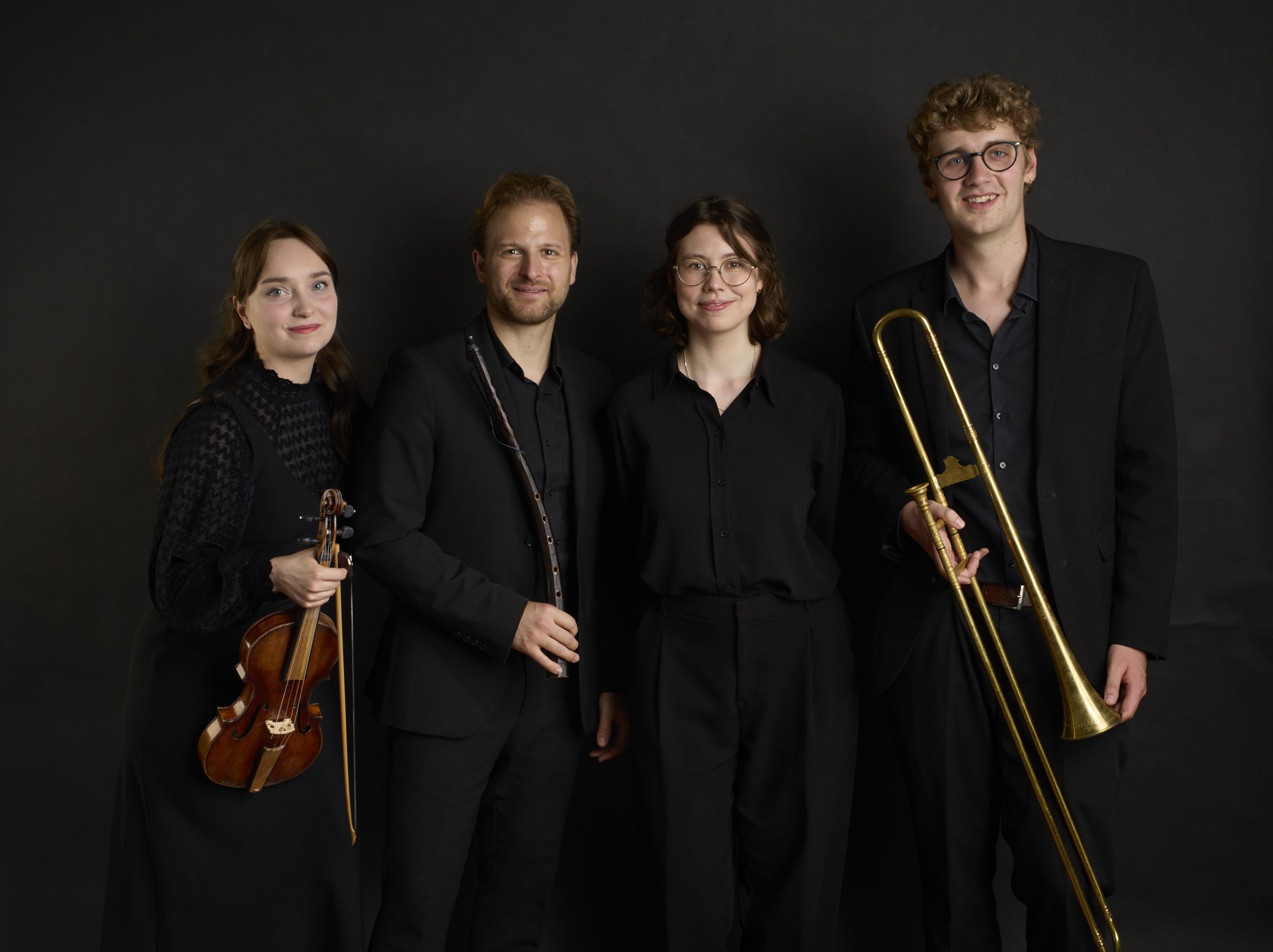
Doctors’ Autumn Ensemble Tiri-tiri-tõbi
Riste Laul, Markus Kariis – baroque flutes
Loona Volke – recorders
Music by J. B. de Boismortier, W. de Fesch, H. Purcell and J. Mattheson
The abundance and elegance of Baroque music were made all the more extravagant by the fact that much of it was intended for domestic music-making – at least in those circles who could afford to own instruments. While today’s musicians go to great lengths to perform this music in a historically informed way, the Doctors’ Autumn Ensemble Tiri-tiri-tõbi brings an entirely new dimension to historically informed performance practice.
As largely self-taught instrumentalists, we are in a unique position to demonstrate how Baroque music might have sounded when played alongside one’s day job. We certainly do not aspire to ideal, recording-worthy performances; rather, we offer a concert experience that might inspire others to take up their instruments and make music together in good company.
The Doctors’ Autumn Ensemble Tiri-tiri-tõbi brings together resident doctors from various medical specialities, united by their passion for early music and playing together. Tiri-tiri-tõbi, however, is a illness there is no cure for.
24 November at 11 am
Tallinn Music and Ballet School
Small Chamber Hall
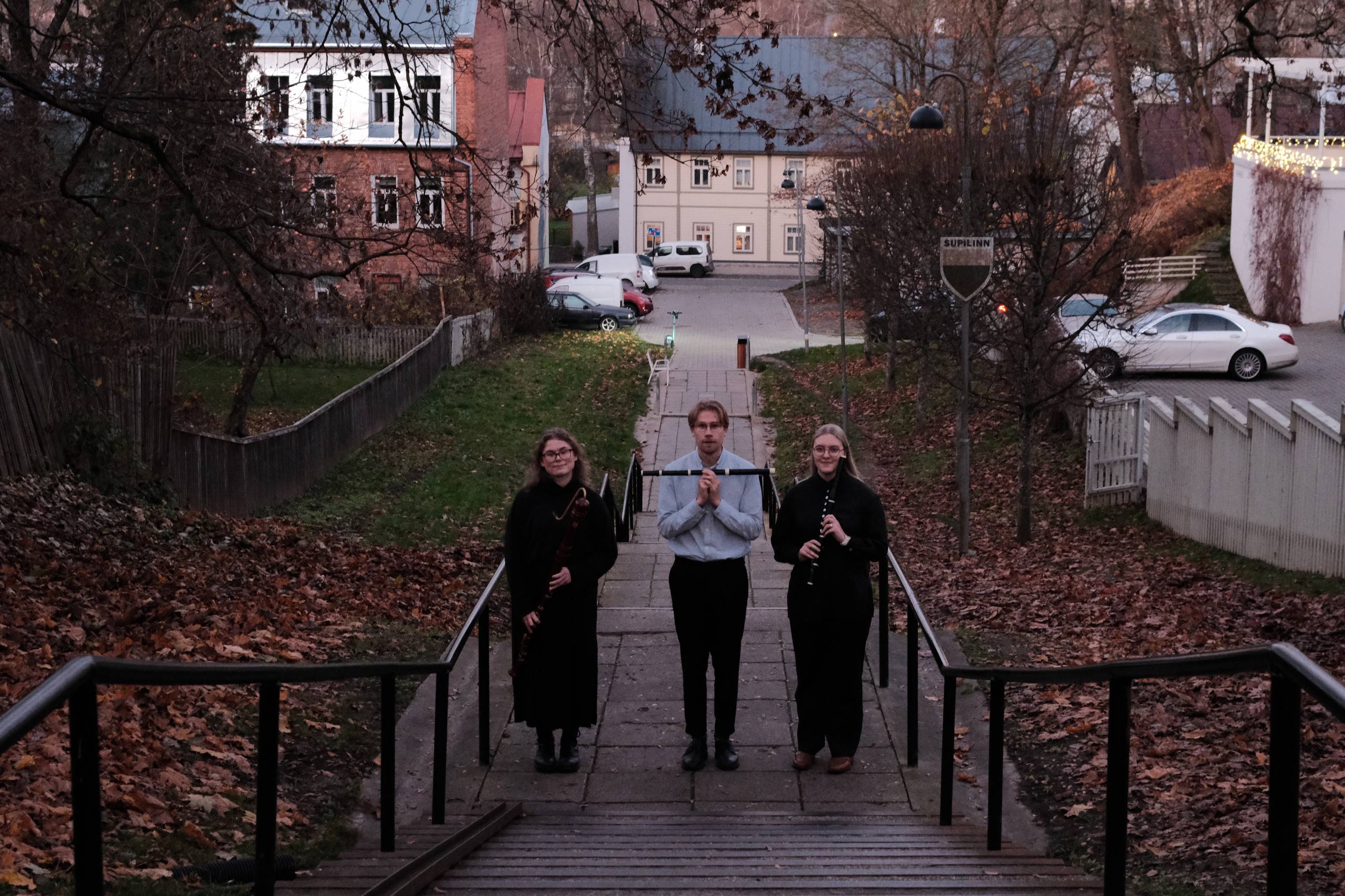
Masterclass: Pavel Serbin – baroque cello, viola da gamba (Hungary)
Free admission, advance registration required here
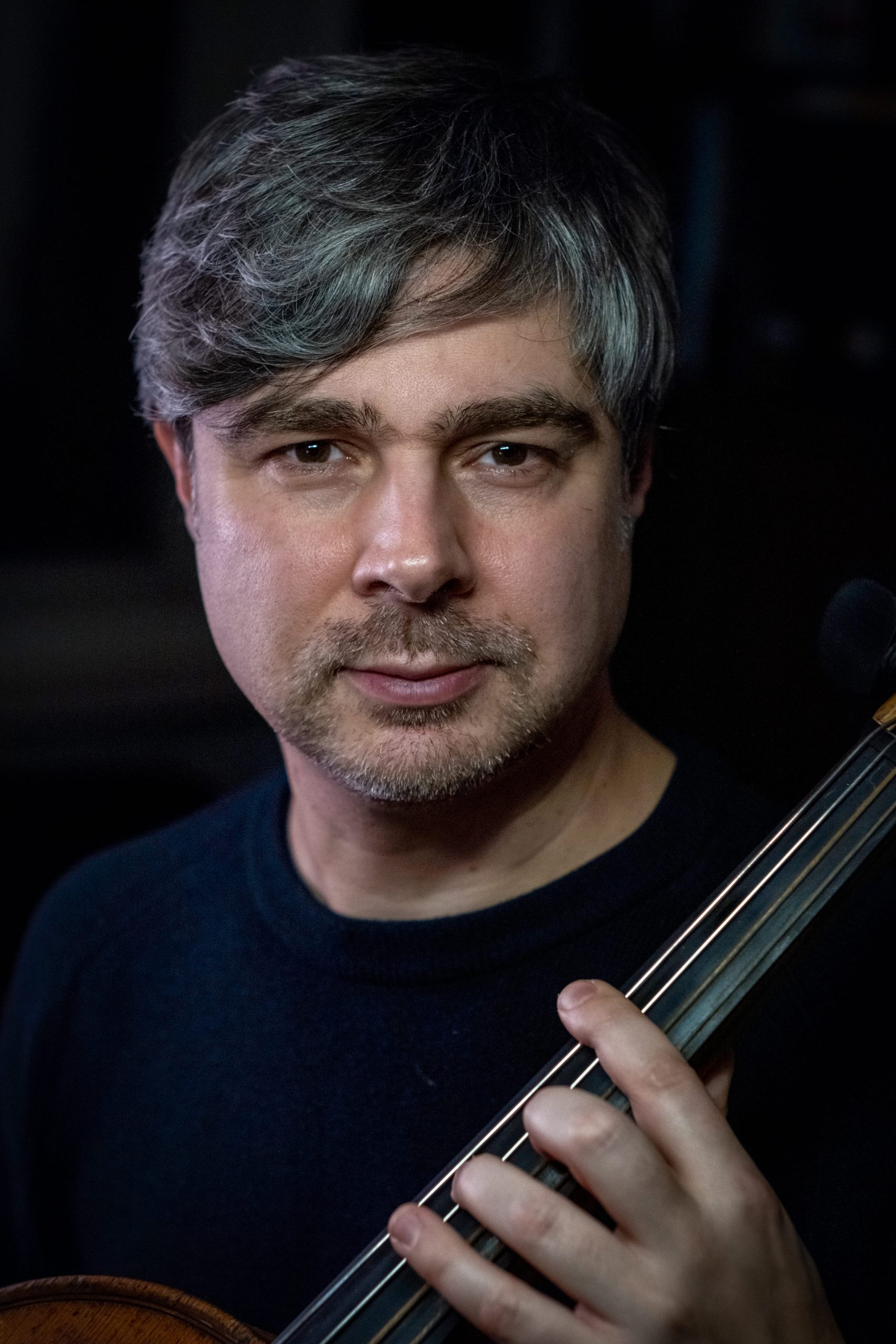
25 November, 9:30 am–2 pm
Estonian Academy of Music and Theatre
D411 and B302
26 November at 12 noon
Theatre and Music Museum Hall
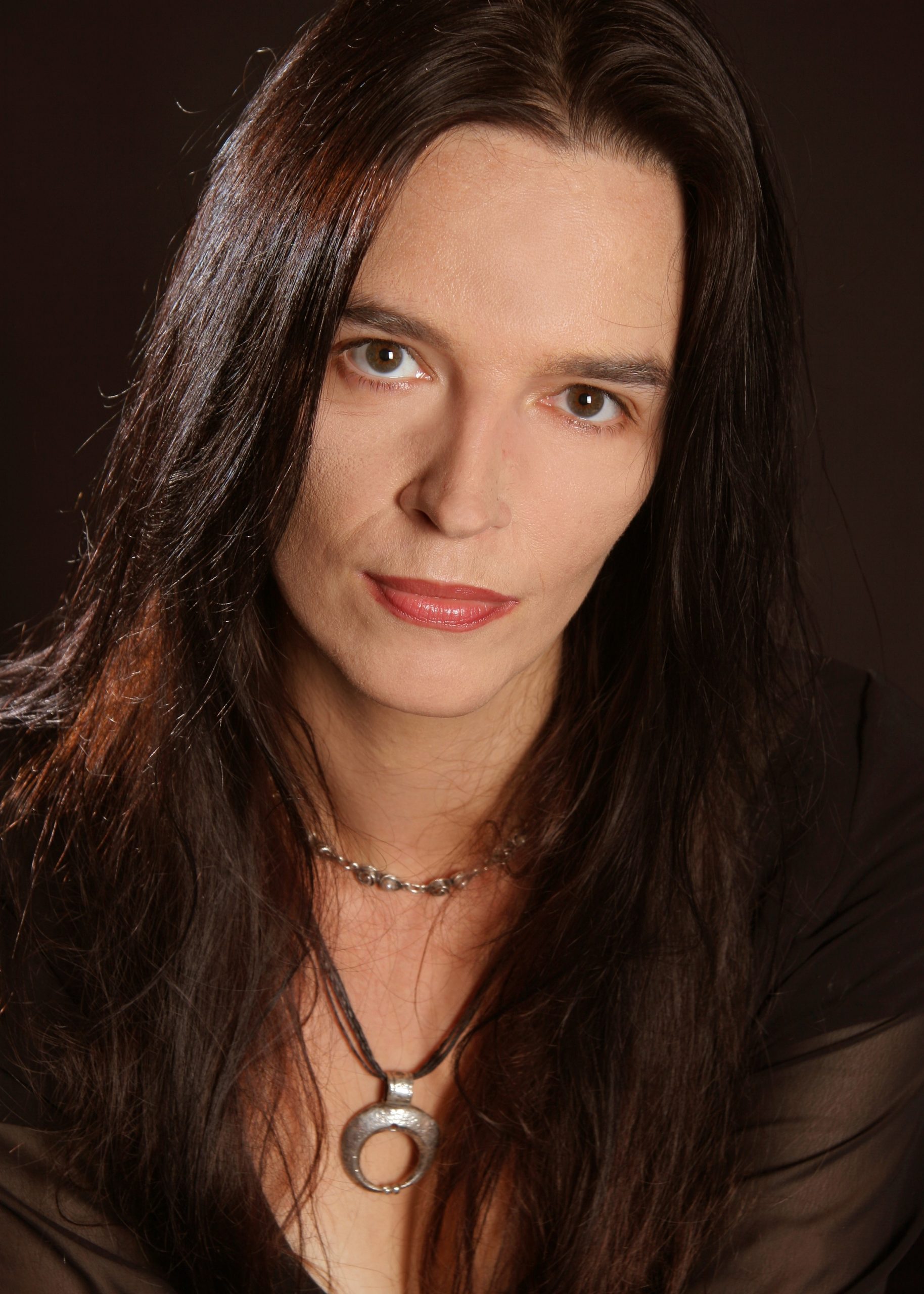
The Story of the Old Cornetto
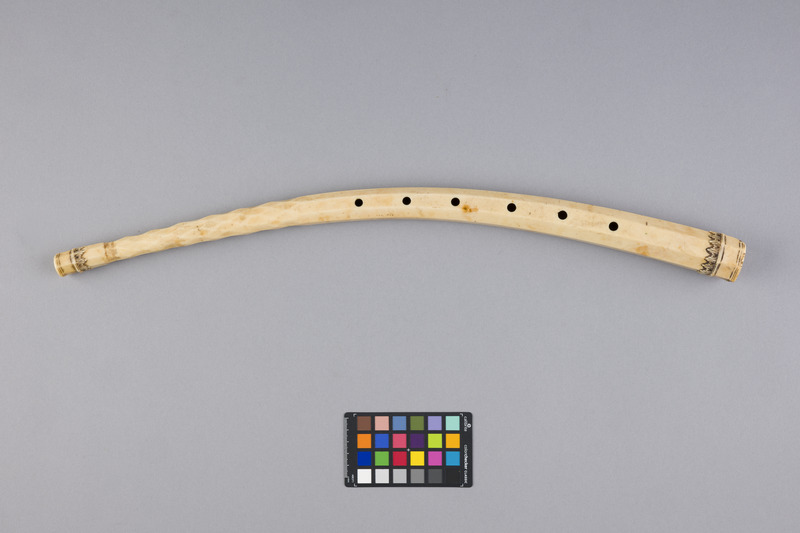
An introduction to a rare ivory cornetto from the Mon Faible collection of the Estonian History Museum, Johann Burchard Collection.
It has happened before that the Estonian names of various instruments have been borrowed from other languages. There is nothing particularly unusual about that, of course, but occasionally several different names end up being used for one and the same instrument. The instrument we are talking about here is just such a case: cornetto or tsink. Never heard of it? Don’t worry, you’re not alone.
This was an instrument adored in the 17th century, yet so extraordinarily difficult to play that the art was eventually lost to the musical world, only to be rediscovered with the early music revival of the 20th century. It is hardly surprising, then, that one of the most precious instruments in Estonian museum collections – an exquisitely ornamented ivory cornetto – had acquired a new name, krummhorn, and had been lying patiently, entirely unnoticed, until the ninth edition of the Tallinn feat. Reval festival.
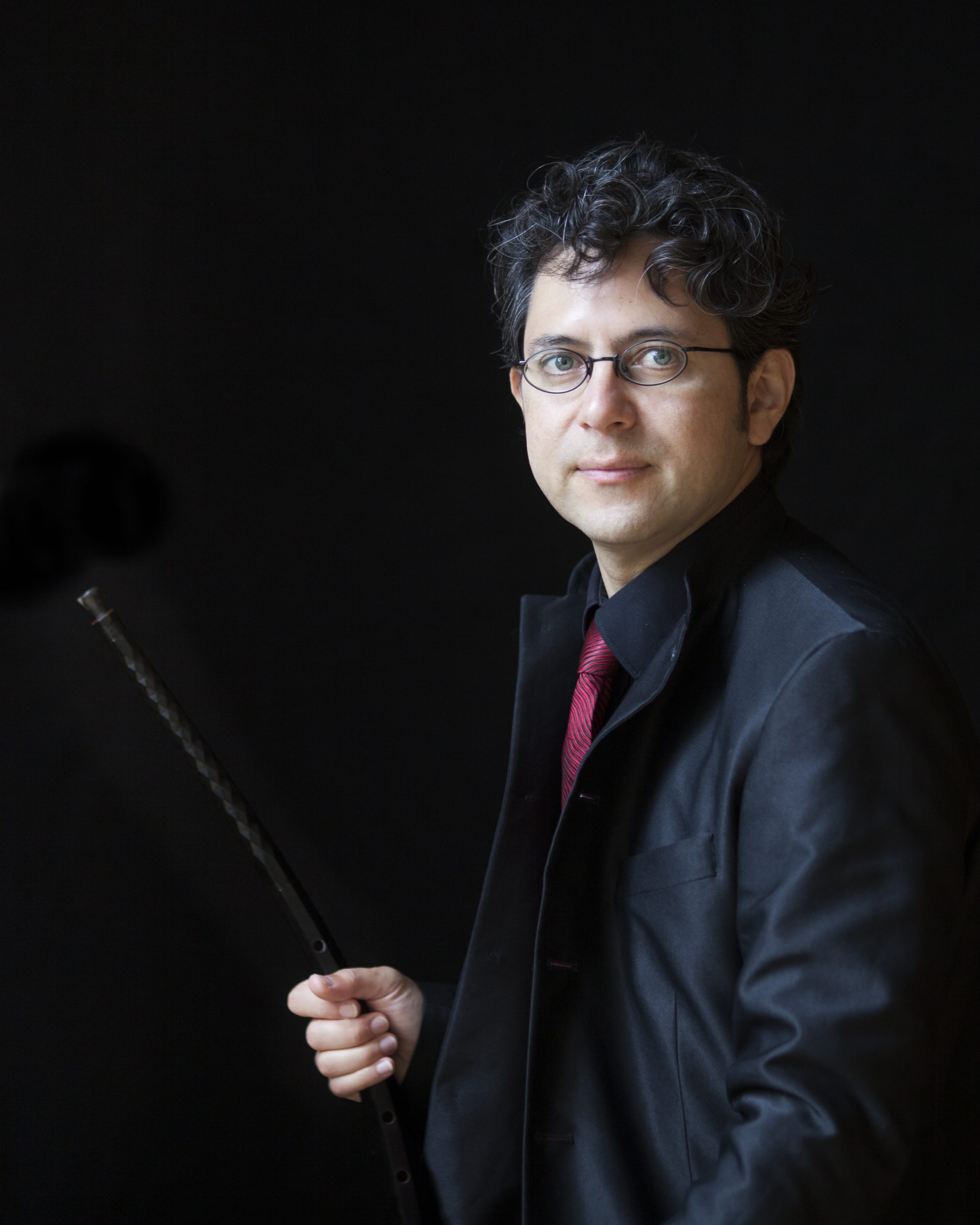
Now, however, the mystery will be unravelled. Kadri Talvik will share fascinating insights from the collections of the Estonian History Museum. Josué Meléndez will tell us about the history of the cornetto, while Taavi-Mats Utt will explain the extraordinary challenges involved in making this instrument.
And then the star of the day will finally take centre stage: after a silence of several centuries, we will have a brief opportunity to hear the voice of an original 17th-century cornetto. Josué Meléndez will perform on the instrument as part of its documentation.
28 November at 12 noon
St Anthony’s Chapel, Niguliste Museum
Viola da gambade ansambli kontsert
Bremeni Kunstide Kõrgkooli ja Eesti tudengite ühine gambaansambel prof. Hille Perli juhendamisel
29 November at 12 noon
House of the Blackheads
White Hall
Ensemble Concerto Sfumato (Germany)
Tuuli Korte – Baeoque violin
Emilio Botto – cornetto
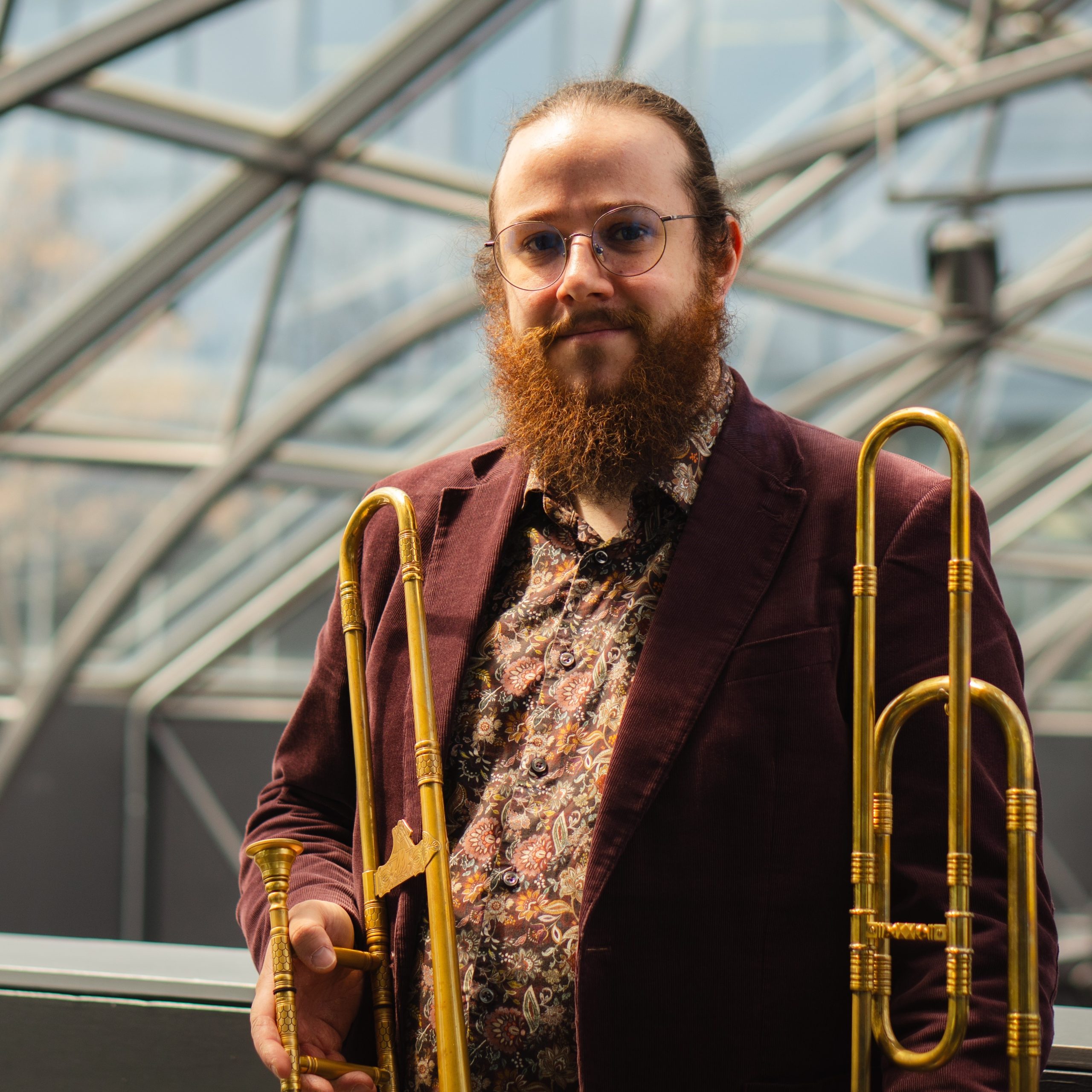
William Illingworth – trombone
Ekaterina Khokhlova – organ
Music by Cazzatti, Buonamente, Castello, Gabrieli, Fontana etc.
A broken Consort featuring instruments from different families, Concerto Sfumato showcases the different characters of each. The blending of these unique colours inspired the ensemble’s name, a reference to the Renaissance painting technique Sfumato, meaning a subtle, expressive blending of colour and tone. This particular combination of instruments – cornetto, violin, trombone and organ – appears in compositions, historical sources, and paintings.
Formed at the University of the Arts Bremen, the ensemble brings together four internationally active musicians and specialises in early baroque music. Concerto Sfumato has performed in Unser Lieben Frauen Kirche, Bremen, and St Nikolai in Borstel, the latter featuring an historical Arp Schnitger organ, and other venues in northern Germany.